Garden makeovers in Canary Wharf
If you live or work in one of London’s most distinctive riverside districts, you already know that outdoor space in Canary Wharf has its own character. Balconies, roof terraces, private courtyard gardens, podium planting, and shared amenity areas all need a different approach from a traditional suburban garden. That is why garden makeovers in Canary Wharf are best handled by a local team that understands both the property types and the practical realities of working in the area.
Whether your space feels tired, underused, overgrown, or simply too small to enjoy properly, a thoughtful redesign can make a dramatic difference. The right makeover can improve privacy, soften hard edges, create a place to relax after a busy day, and make everyday maintenance far easier. For commercial sites, concierge areas, and managed developments, a well-planned outdoor space can also present a cleaner, more welcoming image for residents, clients, and visitors.
We work with homeowners, landlords, letting agents, property managers, and businesses looking to improve outdoor areas across this part of East London. From compact planting refreshes to complete garden transformations, the aim is always the same: create a space that feels better to use, looks smarter all year round, and suits the way the property is actually lived in or managed.
Why garden makeovers matter in Canary Wharf

Canary Wharf is not a typical garden area, and that is exactly why local experience matters. Many properties here feature terraces, balconies, raised decks, enclosed courtyards, or landscaped communal spaces rather than large lawns. These spaces often face wind, shade from tall buildings, reflected heat from glass and stone, and limited access for materials and machinery. A good makeover takes all of this into account from the start.
For many residents, the issue is not the lack of outdoor space but the lack of usable outdoor space. A terrace may exist, but if it is exposed, cluttered, or visually flat, it can feel more like a storage area than a place to unwind. A smart redesign can add structure, improve comfort, and make even a modest area feel more private and inviting.
In a busy district like this, people also want practical solutions. That means low-maintenance planting, durable materials, efficient drainage, tidy storage ideas, and layouts that work in real life. A successful makeover is not just about looks; it is about creating a space that continues to perform month after month, season after season.
Suited to homes, apartments, and managed properties
Garden makeovers in Canary Wharf are commonly requested for a wide range of property types, including modern apartments with terraces, penthouse roof spaces, townhouses tucked into nearby streets, shared internal courtyards, and landscaped areas within residential developments. The design approach must match the setting, the building style, and the level of ongoing care the space will receive.
Residential customers often want a private retreat that feels calm and comfortable without becoming high maintenance. Commercial customers may need outdoor areas that support everyday use, look professional, and stand up well to regular foot traffic. In both cases, the makeover needs to be tailored rather than off-the-shelf.
That tailoring is where a local service makes a difference. A team that regularly works in Canary Wharf and nearby areas such as Limehouse, Isle of Dogs, Poplar, Blackwall, and Wapping can plan around building access, local parking restrictions, loading requirements, and the particular environmental conditions of riverside and high-rise locations.
What a garden makeover can include

Every outdoor space starts from a different point, so a makeover can be as modest or as extensive as needed. Some customers want a quick refresh; others are looking for a full transformation. The most effective projects usually combine design, preparation, planting, and finishing details so the whole area feels cohesive.
A typical makeover might include reshaping planting beds, replacing tired containers, introducing evergreens for structure, updating paving or decking, improving privacy with screening, refreshing soil and mulch, and choosing plants that suit the light levels and exposure of the site. For communal settings, the focus may also include clear access routes, safe surfaces, and easy-care planting that remains tidy between maintenance visits.
It is also common to improve how the space is used. That might mean creating a better seating zone, defining a dining corner on a terrace, adding raised planters to break up a blank wall, or redesigning a narrow garden so it feels longer, greener, and more balanced. The best changes are those that solve real problems while making the space more attractive.
Common elements in a makeover
- Planting redesign using suitable shrubs, grasses, perennials, climbers, and seasonal colour
- Container styling for balconies, roof terraces, and paved outdoor areas
- Privacy improvements with trellis, screening, tall planting, or layered arrangements
- Hard surface refresh including cleaning, repairs, and new layout ideas where needed
- Low-maintenance upgrades for busy households and managed properties
- Lighting-friendly layouts that make evening use more comfortable and appealing
- Seasonal tidying and planting to keep the space looking cared for throughout the year
Depending on the site, we may also suggest practical features such as storage screening, drip irrigation, wind-tolerant planting, or drought-resistant combinations that reduce upkeep while keeping the space looking fresh. For many customers, these details make the difference between a nice idea and a garden they can genuinely enjoy.
Request a free quote if you have a space in need of a clearer plan, or book your service now if you are ready to move from idea to action.
Garden makeovers designed around local conditions

Outdoor spaces in Canary Wharf face specific environmental challenges. Tall buildings can create shade in some areas and wind tunnels in others. Rooftop and balcony areas often dry out quickly, while shaded courtyards may struggle with limited sunlight. The solution is not to force plants into the wrong environment; it is to design a scheme that works with the conditions already there.
Sun exposure, wind exposure, drainage, and access all influence plant selection and layout. A local team will know how to balance these factors so the makeover does not just look good on completion day, but continues to settle and thrive. That might mean choosing tough evergreen structure for exposed terraces, shade-tolerant planting for north-facing corners, or mixing planters and climbers to create depth in a small space.
Local knowledge also matters when materials have to be moved through apartment blocks, underground parking areas, loading bays, or shared access points. A practical team will plan the work carefully, minimise disruption, and protect communal areas while the project is being carried out.
Working with limited access and parking challenges
Many people seeking garden makeovers in Canary Wharf need help in places where traditional garden services are harder to organise. Access may be via lifts, service entrances, or restricted building areas. Parking may be limited, controlled, or difficult during busy periods. Large deliveries may need to be timed carefully, and materials may need to be carried by hand over shorter distances.
That is where the benefit of a nearby team becomes clear. A local service can plan around these constraints, bring the right tools and materials in manageable quantities, and work efficiently within the space available. For residents and managing agents, this can reduce stress and help the project run more smoothly.
In many cases, the most successful approach is a staged one. For example, a terrace may be cleared and repaired first, then improved with planting and seating features, and finally finished with decorative touches that make the space feel complete. This measured approach is often ideal for high-rise homes and busy commercial properties.
What makes a local team useful
Local experience gives you a better understanding of the types of properties, permissions, and access conditions commonly found in the area. It also helps with choosing plant species that suit sheltered, exposed, shady, or sunlit locations across the district and nearby neighbourhoods.
A nearby team is also more likely to appreciate the pace at which customers in this part of London want work completed. People often want minimal disruption, clean working methods, and a result that feels polished and modern. The service should fit around the property, not the other way around.
How the garden makeover process works

Every project begins with understanding the space and the customer’s priorities. Some clients want more privacy, others want a more elegant look, and many want a garden or terrace that simply feels easier to live with. A careful first stage prevents wasted effort and helps ensure that the final result feels personal and practical.
The process usually starts with an assessment of the existing area. This includes looking at the layout, soil or substrate conditions, drainage, available light, wind exposure, access, and the current state of plants, paving, or containers. Once the space has been reviewed, a plan can be built around the priorities that matter most.
From there, the makeover may involve clearing away unwanted items, cutting back overgrown growth, repairing or replacing hard landscaping elements, preparing fresh planting areas, installing containers or planters, and choosing suitable materials for the finish. The project should feel organised from start to finish so the customer knows what is happening and why.
Typical stages of the work
- Initial discussion to understand the goals, budget range, and preferred style
- Site assessment to review space, access, light, and existing conditions
- Practical plan for layout, planting, materials, and maintenance needs
- Preparation including clearance, repair work, and surface or soil improvement
- Installation of planting, containers, screens, features, or other agreed elements
- Finishing touches to ensure the space feels complete and balanced
- Aftercare advice so the customer can keep the space looking its best
Some customers also choose ongoing garden maintenance after the makeover, especially for communal settings, entrance areas, and planted terraces that need regular care. That can help preserve the value of the work and keep everything looking neat in the months after installation.
Planning tip for customers
If you already know how you want to use the space, make a short list before booking. Think about seating, privacy, children, pets, evening use, and how much maintenance you are comfortable with. Those details make it much easier to design a makeover that suits your lifestyle.
What to expect from a well-planned local service
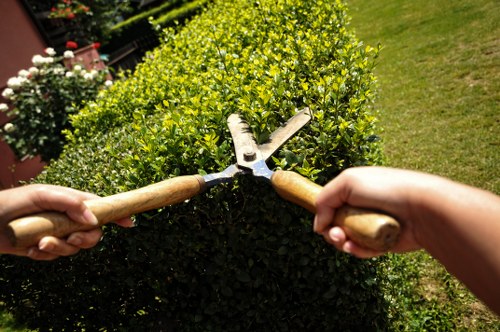
When customers enquire about garden makeovers in Canary Wharf, they are usually looking for more than a quick tidy-up. They want a service that feels organised, knowledgeable, and tailored to a particular property. A well-planned service should make the whole process easier, from the first conversation to the final clean-down.
That means clear communication about the scope of work, realistic planning for access and timings, sensible suggestions for materials and planting, and a finish that fits the style of the home or business. It should also mean respect for neighbouring properties, shared spaces, and building rules where relevant.
For flats, terraces, roof gardens, and communal spaces, attention to detail is especially important. A small mistake in plant choice or layout can make a compact area feel cluttered or hard to manage. A thoughtful design, by contrast, can make the same space feel much larger, calmer, and more valuable to use.
Why customers choose a makeover instead of starting from scratch
Not every outdoor area needs a complete rebuild. In many cases, the best results come from improving what is already there. This is often more cost-effective, less disruptive, and better suited to a property where access is restricted. A makeover can refresh the look of the garden without removing all of its existing structure.
Customers often choose this route when the area has good bones but looks worn, when plants have become overcrowded, when a terrace feels bare, or when a courtyard needs a more polished finish. A targeted redesign can deliver a noticeable change without unnecessary work.
Contact us today if you would like a fresh look for a private terrace, shared courtyard, entrance garden, or outdoor commercial area. Even a modest update can make the space more appealing and easier to care for.
Practical ideas for Canary Wharf balconies, terraces, and courtyards
Because the local property mix is so varied, good garden makeovers often start with the question: how will this space actually be used? A compact balcony does not need the same treatment as a wide communal terrace, and a shaded courtyard has different needs from a south-facing roof garden.
For small balconies, the focus is often on lightweight planters, vertical planting, and a few carefully chosen features that avoid clutter. For larger terraces, you may have room for a stronger structure: zones for dining, relaxing, and planting can all be defined with screens, raised beds, or a combination of pots and hard landscaping.
Courtyards and shared garden spaces often benefit from a balance between visual impact and ease of upkeep. In those settings, durable planting, tidy edges, and clear paths are often more useful than highly detailed arrangements that need constant attention.
Ideas that work well locally
- Evergreen structure for year-round appeal
- Soft planting to offset glass, concrete, and metal finishes
- Climbers and screens to reduce overlooked views
- Large containers for flexibility on terraces and roof spaces
- Shade-friendly planting where high-rise buildings limit sunlight
- Seasonal accents for colour without making the space difficult to maintain
These ideas can be combined in different ways depending on the property and the customer’s preference. Some people want a crisp, modern feel; others prefer a softer, more natural look. The best makeover is one that reflects how you want to experience the space every day.
For residential and commercial customers
Residential spaces often benefit from comfort, privacy, and low effort. Commercial settings may need a more formal appearance, more durable planting, and a layout that handles regular foot traffic. Both should feel tidy, intentional, and suited to the location.
For businesses and managed buildings, it is often worth thinking about maintenance from the start. A beautiful space that becomes hard to keep tidy can quickly lose its impact. A sensible planting scheme and practical materials help ensure the makeover remains an asset rather than a burden.
Pricing factors and what influences the quote
Customers often ask what affects the cost of a makeover. While exact prices depend on the work involved, several factors commonly shape the quote. These include the size of the space, the amount of clearance needed, access conditions, the quality and quantity of materials, plant selection, and whether any repair or groundwork is required before the new design can go in.
Access is especially important in Canary Wharf. A terrace on a higher floor, for example, may involve more time for moving materials and extra care when working through shared spaces. A courtyard or entrance area in a managed development may require coordination with building management. These practical details are normal, but they do affect planning and labour time.
The level of finish also matters. A simple refresh with new planting and tidy containers will usually be different from a more involved transformation that includes screening, decking repairs, or multiple planting zones. The key is to discuss what you want the space to do, then build the project around that outcome.
Useful factors to consider when comparing options
- The extent of clearing and preparation needed
- Whether old planting, containers, or fixtures need removal
- How easy it is to access the space
- Whether the work is for a private home, shared area, or business premises
- The type of plants and materials being used
- Whether the design needs to prioritise low maintenance
- Any timetable or access restrictions from the building or site
A clear, well-informed quote should explain what is included and help you understand how the final cost is shaped. If you are planning a project and want to stay within a certain budget range, it is best to mention that early so the design can be adjusted accordingly.
Areas covered around Canary Wharf
While many enquiries come directly from Canary Wharf itself, local service often extends to nearby areas where similar property types and access conditions are common. That can include parts of the Isle of Dogs, Poplar, Limehouse, Blackwall, Wapping, and other surrounding riverside or docklands locations.
These nearby areas often share features such as apartment buildings, mixed-use developments, communal outdoor areas, and compact private gardens that need a careful, efficient approach. For customers in these neighbourhoods, using a team familiar with the local environment can help the work run more smoothly.
Because every site is different, it is always sensible to discuss your exact location, the type of outdoor space you have, and any building restrictions or access notes before booking. That allows the service to be planned with fewer surprises on the day.
Good reasons to choose a local company
- Better understanding of local property layouts and access challenges
- More suitable plant and material choices for riverside and high-rise settings
- Practical knowledge of working in shared residential environments
- Quicker response for visits, planning, and follow-up work where needed
- Experience with both private and commercial outdoor spaces
For many customers, those practical advantages matter more than anything else. When the service feels local and informed, the project tends to feel easier from the start.
Preparation checklist before your makeover begins
A little preparation makes the whole process easier and helps the project get off to a smooth start. If you are planning a garden makeover in a flat, terrace, or shared outdoor area, there are several simple steps that can help.
Try to clear personal items from the work area where possible, note any access instructions, and think about how you want the space to function after the makeover. If there are items you want to keep, move them to a safe place in advance. If building management needs to be informed about access or timings, that is best arranged early.
It is also helpful to think about the final use of the space. Will it be a quiet reading area, a place for entertaining, a family-friendly terrace, or a smart external setting for a business property? That answer will influence plant selection, layout, and the choice of features.
Simple preparation checklist
- Remove personal belongings from the working area
- Check whether building or site access needs to be arranged
- Decide how you want to use the space day to day
- Make a note of any plants or features you want to keep
- Consider maintenance level and how much time you want to spend on upkeep
- Share any timing constraints or delivery limitations early
Preparing well does not mean doing the hard work yourself. It simply means helping the project start in the best possible way so the finished result is closer to what you want.
FAQs about garden makeovers in Canary Wharf
Can a small balcony really benefit from a makeover?
Yes. Small balconies often benefit the most because a few smart changes can dramatically improve how they look and feel. Container planting, privacy screening, and better layout choices can turn a cramped outdoor corner into a useful part of the home.
Do you work on communal and commercial spaces?
Yes. Many local projects involve shared courtyards, entrance areas, managed terraces, or outdoor spaces used by businesses and residential developments. These spaces often need durable, tidy, low-maintenance solutions.
What if my garden is shaded or very windy?
That is common in this part of London. A good makeover should use plants and materials suited to those conditions rather than fighting against them. Shade-tolerant, wind-tolerant, and resilient options are often the best choice.
How much disruption should I expect?
That depends on the size and scope of the work. A simple refresh may be completed with very little disruption, while larger projects need more planning. Local knowledge helps reduce inconvenience by allowing for access, parking, and building restrictions.
Can you help if I only want part of the space improved?
Absolutely. Many customers choose staged improvements, focusing first on the most visible or most troublesome part of the area. That can be a sensible way to manage budget and still create noticeable change.
Will the design be low maintenance?
It can be. If you want easy upkeep, that can be built into the plan from the beginning. Many customers in Canary Wharf prefer structured planting, hardy species, and clean layouts that stay neat with minimal effort.
How do I get started?
Start by thinking about how you want the space to feel and what problems you want solved. Then request a free quote and share the details of the site, access, and any preferences you already have. From there, the project can be shaped around your needs.
Bring new life to your outdoor space
A well-designed outdoor area can change the way a property feels. In a location like Canary Wharf, where space is valuable and conditions can be demanding, a tailored approach is especially important. The right makeover can add comfort, improve privacy, and make daily life a little more enjoyable.
Whether you are looking to refresh a private balcony, improve a rooftop terrace, update a courtyard, or present a smarter commercial exterior, the goal is to create something that feels purposeful and easy to live with. Good planning, local knowledge, and practical design choices make all the difference.
If your garden, terrace, or outdoor communal space is ready for a change, now is a good time to act. Contact us today to discuss your project, request a free quote, and book your service now to take the first step toward a better outdoor space in Canary Wharf.